
| S VENKATESHWARAN |
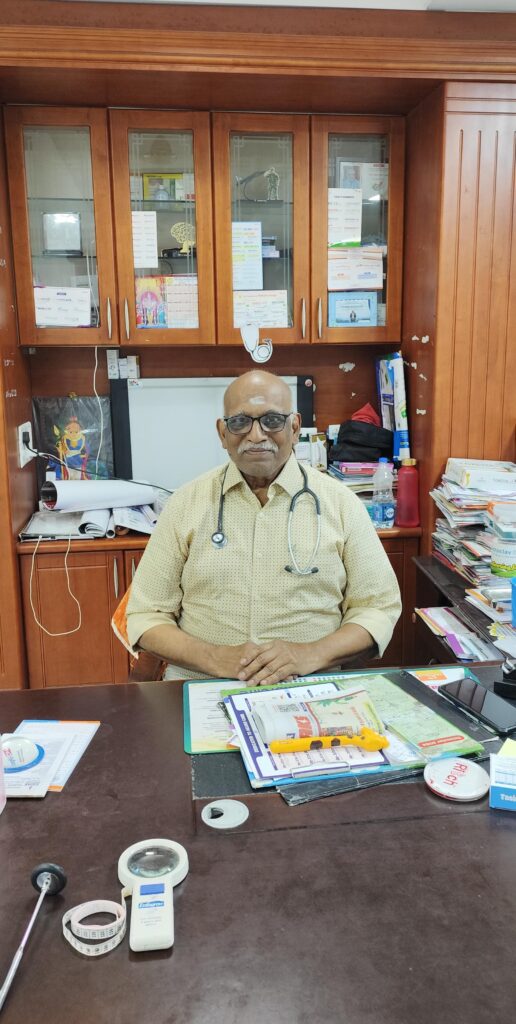
“I feel proud and happy to serve the community. My work brings me joy and satisfaction every day.” This is how Dr. K. Pandian, founder of Sudar Hospitals, described his life as a neurologist. His devotion to his calling is astounding at age 72 and after serving as a doctor for over 42 years!
Dr. Pandian, founded Sudar Hospitals, located at No. 3, Medavakkam Main Road, Parthasarathy Nagar, Adambakkam, which was previously known as KP Hospitals. The multi-specialty hospital is popular in the community for its patient-friendly care.
Dr. Pandian, MD, DCH, DM (Neurology), began his medical journey as a paediatrician and later specialised in neurology and paediatric neurology. With over 42 years of experience, he has been serving patients in the area with great dedication. He graduated from Stanley Medical College and has been committed to helping the local community ever since.
During his MBBS studies, Dr. Pandian received the Best Outgoing Student Award (Raja Panagal Award) from Madras University, a remarkable achievement that highlighted his academic excellence. He went on to pursue MD in Paediatrics at Madras Medical College, where he earned the state first rank. Later, he specialised in neurology to broaden his expertise.
Dr. Pandian is known for his friendly and caring approach toward patients. He takes time to explain medical issues in simple terms, making patients feel comfortable and confident about the treatment. According to him, building trust and treating patients like family are key reasons for his success in the medical field.
When asked about the most common neurological problems he encounters, Dr. Pandian mentioned that epilepsy and strokes are the top emergencies. He also treats conditions like neck pain, disc collapse, memory loss, neuralgia and other types of weaknesses.
In elderly patients, dementia often leads to sudden memory loss, while younger people commonly experience issues like migraine and tension headaches due to stress and poor lifestyle habits. He emphasised that regular exercise, reducing screen time and eating healthy food can prevent many problems.
For children, Dr. Pandian highlighted the risks of febrile seizures, which happen during high fevers but are treatable with proper care. He warned that excessive screen time can lead to delayed speech, hyperactivity or other developmental issues in children.
Adults are advised to reduce exposure to blue light from devices, especially after 8 pm. Children should not exceed two hours of screen time daily, he advised.
Dr. Pandian explained that seizures often occur without warning, but some patients may feel symptoms like dizziness beforehand. Most seizures last 5–10 minutes and resolve on their own. He advised against putting objects in the patient’s mouth during seizure, as this could lead to choking. Instead, it’s best to lay the patient on their side to prevent complications.
He assured that epilepsy is often manageable with proper medication. Some patients can recover completely in 3–6 years. Children with epilepsy may outgrow the condition as they age, and tumour-related epilepsy can be cured by removing the tumour.
“Epilepsy medications have improved a lot in recent years,” he said. “We now have over 20 specialised drugs and even inhalers that can help control seizures at home.”
Dr. Pandian shared some unforgettable moments from his career. One case involved a patient from Andaman who complained of headaches and mild weakness on one side. After a detailed examination, the patient was diagnosed with ependymoma, a type of tumour. With the right treatment, the patient was completely cured.
Another touching story was from his time at Egmore Children’s Hospital. A boy suffering from severe brain fever was on ventilator for over 20 days. The family lost hope and was advised to take him home. Miraculously, the boy recovered. Years later, the same boy visited Dr. Pandian, healthy and carrying a bag of peanuts as a gift. “It was a miracle moment I will never forget,” he said.
Dr. Pandian spoke about advancements in neurological surgeries, including deep brain stimulation for Parkinson’s disease, which has shown excellent results. He also noted that mobile phones have helped spread awareness about such treatments.
However, he cautioned against relying entirely on online information for diagnosis. “Mobile phones can help record seizure events, which assist doctors, but they can’t replace professional advice,” he said.
To maintain good neurological health, Dr. Pandian recommended:
Getting 6 to 8 hours of sleep daily
Undergoing genetic screening for couples planning children
Regular neuro-screening during pregnancy and after childbirth
Dr. Pandian started his education at Corley School in Tambaram. After completing his MBBS at Stanley Medical College, where he won the Best Outgoing Student Award, he pursued his MD in Paediatrics at Madras Medical College and secured the state first rank. He later specialised in neurology to serve patients better.
He worked at Chengalpattu Medical College and Egmore Children’s Hospital for 20 years before starting his practice. In 2000, he established a small clinic that grew into KP Hospitals previously, now named Sudar Hospitals, a multi-speciality centre, by 2012.
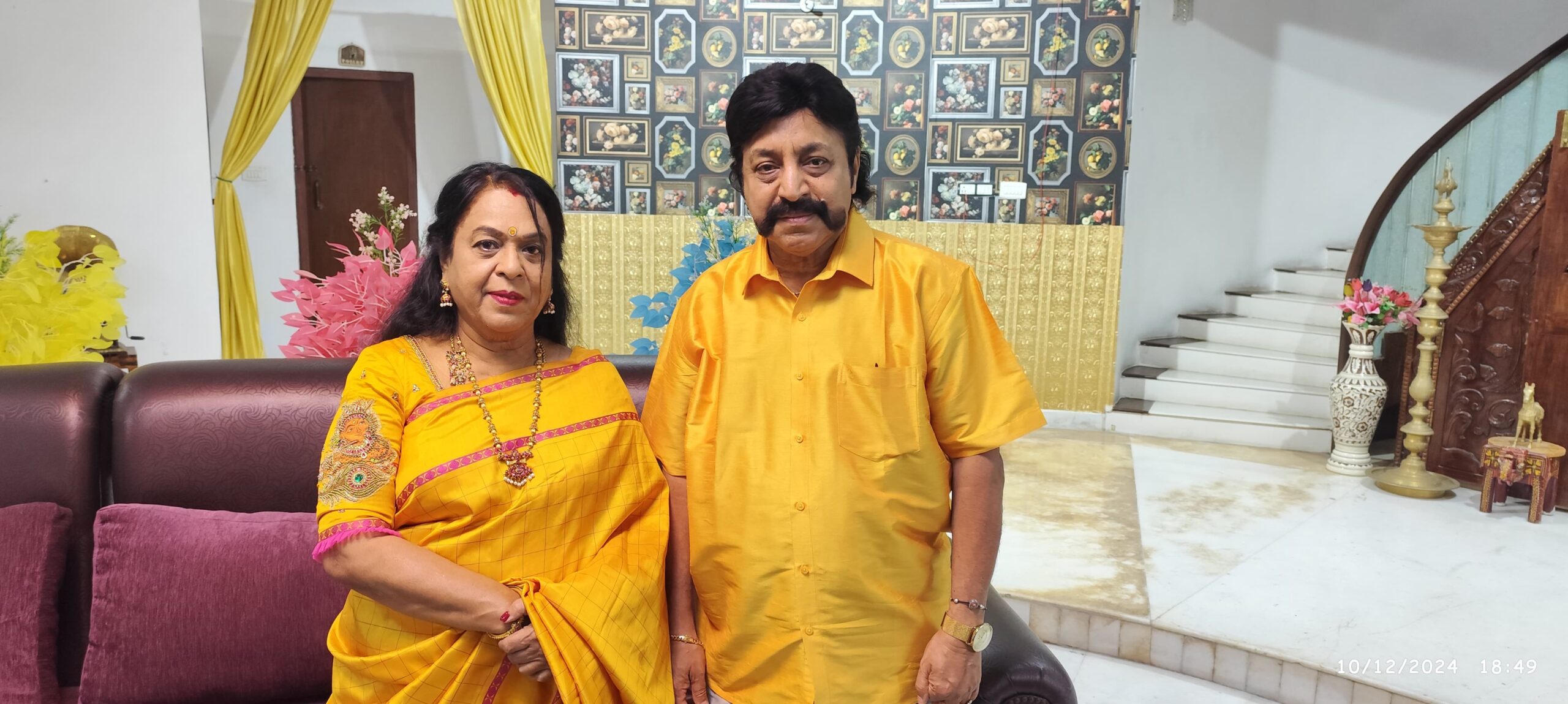
Dr. Pandian is supported by his loving family, including his wife, two sons (one a general surgeon and the other an orthopaedic surgeon), daughters-in-law (a dermatologist and another one is also a doctor, presently homemaker), and two grandchildren.
Dr. Pandian advised aspiring neurologists to focus on listening to their patients and conducting detailed examinations. “This approach helps in providing the right diagnosis,” he said.
He also encouraged the public to trust their doctors over online sources. “Google gives information, but only a doctor can diagnose and treat you properly,” he added.
Dr. Pandian’s mantra: Doctors must listen to patients, patients must trust doctors
Dear readers, we invite you to enjoy this second part of the article ‘Enthusiasm does not dim down with age’ that delves deep into the achievements of neurologist, Dr. K. Pandian, and his take on several issues affecting people neurologically.
Dr. Pandian explained that seizures often occur without warning, but some patients may feel symptoms like dizziness beforehand. Most seizures last 5–10 minutes and resolve on their own. He advised against putting objects in the patient’s mouth during seizure, as this could lead to choking. Instead, it’s best to lay the patient on their side to prevent complications.
He assured that epilepsy is often manageable with proper medication. Some patients can recover completely in 3–6 years. Children with epilepsy may outgrow the condition as they age, and tumour-related epilepsy can be cured by removing the tumour.
“Epilepsy medications have improved a lot in recent years,” he said. “We now have over 20 specialised drugs and even inhalers that can help control seizures at home.”
Dr. Pandian shared some unforgettable moments from his career. One case involved a patient from Andaman who complained of headaches and mild weakness on one side. After a detailed examination, the patient was diagnosed with ependymoma, a type of tumour. With the right treatment, the patient was completely cured.
Another touching story was from his time at Egmore Children’s Hospital. A boy suffering from severe brain fever was on ventilator for over 20 days. The family lost hope and was advised to take him home. Miraculously, the boy recovered. Years later, the same boy visited Dr. Pandian, healthy and carrying a bag of peanuts as a gift. “It was a miracle moment I will never forget,” he said.
Dr. Pandian spoke about advancements in neurological surgeries, including deep brain stimulation for Parkinson’s disease, which has shown excellent results. He also noted that mobile phones have helped spread awareness about such treatments.
However, he cautioned against relying entirely on online information for diagnosis. “Mobile phones can help record seizure events, which assist doctors, but they can’t replace professional advice,” he said.
To maintain good neurological health, Dr. Pandian recommended:
Getting 6 to 8 hours of sleep daily
Undergoing genetic screening for couples planning children
Regular neuro-screening during pregnancy and after childbirth
Dr. Pandian started his education at Corley School in Tambaram. After completing his MBBS at Stanley Medical College, where he won the Best Outgoing Student Award, he pursued his MD in Paediatrics at Madras Medical College and secured the state first rank. He later specialised in neurology to serve patients better.
He worked at Chengalpattu Medical College and Egmore Children’s Hospital for 20 years before starting his practice. In 2000, he established a small clinic that grew into KP Hospitals previously, now named Sudar Hospitals, a multi-speciality centre, by 2012.
Dr. Pandian is supported by his loving family, including his wife, two sons (one a general surgeon and the other an orthopaedic surgeon), daughters-in-law (a dermatologist and another one is also a doctor, presently homemaker), and two grandchildren.
Dr. Pandian advised aspiring neurologists to focus on listening to their patients and conducting detailed examinations. “This approach helps in providing the right diagnosis,” he said.
He also encouraged the public to trust their doctors over online sources. “Google gives information, but only a doctor can diagnose and treat you properly,” he added.