
Sweet potatoes are the queen of roots and tubers due to their
impressive nutritional profile. Compared to many other root
vegetables, they offer several additional health benefits, making
them a valuable addition to a balanced diet.
Sweet potatoes are rich in Vitamin A, Vitamin C, magnesium
and potassium. They are an excellent source of beta-carotene,
a precursor of Vitamin A that supports eye health, immunity and
healthy skin.
Certain varieties available in the market have a deep purple
colour, which indicates the presence of powerful antioxidants
known as anthocyanins. These compounds are known to
support immune function and protect the body against oxidative
stress.
Gut health support
Sweet potatoes are gut-friendly as they provide a good amount
of both soluble and insoluble dietary fibre. This makes them a
healthier alternative to regular potatoes and other root
vegetables for individuals who experience gastric discomfort or
bloating.
Anti-inflammatory and heart health benefits
Sweet potatoes are known for their antioxidant properties,
which help reduce inflammation in the body and may contribute
to cancer prevention. Their high potassium content also
supports healthy blood pressure levels and promotes overall
heart health.
Glycaemic index and portion control
Although sweet potatoes contain resistant starch, it accounts
for only about 11% of their total carbohydrate content. They are
still considered a starchy vegetable with a moderate glycaemic
index (GI) rather than a low GI food. Consuming large
quantities may lead to a spike in blood sugar levels.
Therefore, moderation is the key. A recommended portion size
is 100–150 grams per meal. Pairing sweet potatoes with protein
and additional fibre sources can help make the meal more
balanced and blood-sugar friendly.
Individuals with diabetes can include sweet potatoes as part of
a balanced meal alongside greens, protein sources and other
vegetables, rather than consuming them as a standalone
snack.
For infants and children
Plain boiled, de-skinned and mashed sweet potatoes can be
introduced to babies from six months onwards, without adding
sugar or salt.
For toddlers and children, sweet potato tikkis or cutlets can
serve as nutritious and tasty snack options.
Healthy ways to consume
The healthiest ways to prepare sweet potatoes include boiling
and steaming. These methods are ideal for preparing dishes
such as poriyal, tikkis and healthy salads.
Refrigerating cooked sweet potatoes before use can increase
the formation of resistant starch, which may help lower the
glycaemic impact. These can then be used to prepare guilt-free
desserts with no added sugar / little amount of honey / maple
syrup.
Cooking methods such as baking, roasting and deep-frying
should be limited. In particular, individuals with diabetes should
be cautious about these methods and should always consume
sweet potatoes as part of a balanced meal with proper portion
control.
Who should avoid sweet potatoes
Individuals with oxalate kidney stones may need to limit or
avoid sweet potatoes due to their oxalate content.
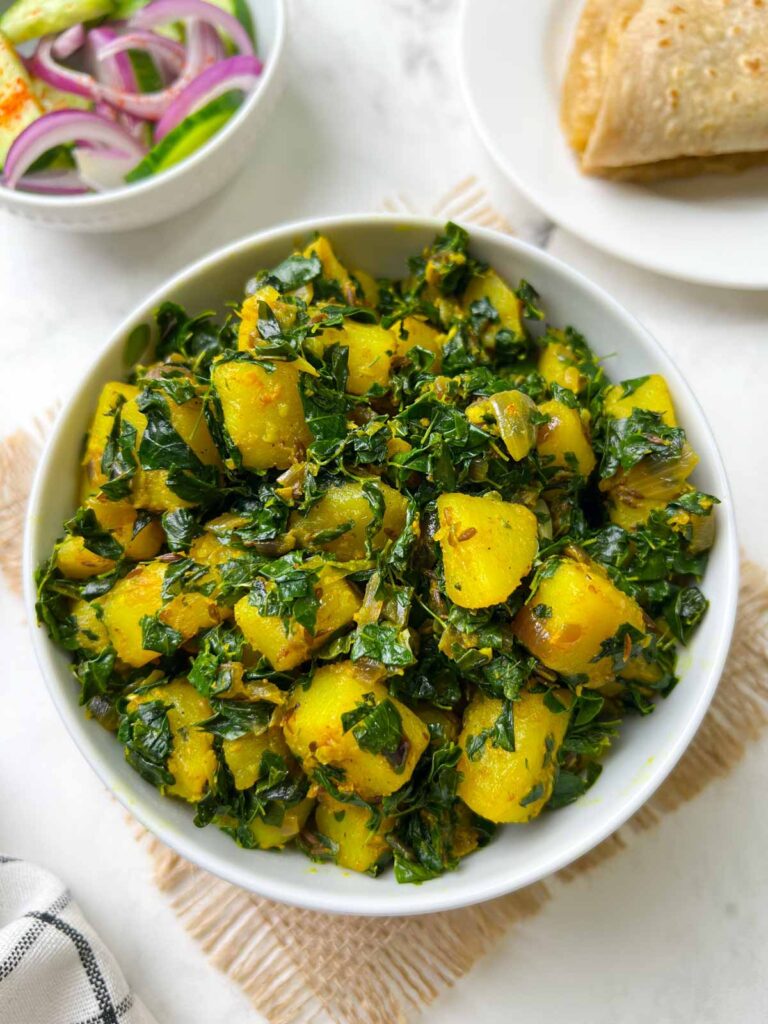
A simple recipe for the day with sweet potato!!
Here is a simple and healthy way to enjoy sweet potatoes.
Take the desired quantity of boiled or steamed sweet potatoes
and cut them into small chunks. Heat one teaspoon of oil in a
pan and add mustard seeds, urad dal and chilli flakes. Add 100
grams of freshly washed moringa leaves and sauté lightly.
Then add the sweet potato pieces and mix well. Season with
crushed black pepper or chilli powder and salt to taste. Cook on
a low flame until well combined and serve hot.
Overall, sweet potatoes are nutritious, affordable and versatile,
making them an excellent food to include regularly in a healthy
diet.
–Hema, Clinical Nutritionist