
Ragi / Kezhvaragu (Finger Millet)
Often regarded as an under-appreciated traditional Indian
grain, finger millet (commonly known as ragi or kelvaragu) is
not as widely consumed today as it once was. Many south
Indian households predominantly rely on rice-based dishes
such as idli, dosa, pongal and kichadi. However, all of these
preparations can also be made using ragi. The primary reason
for its declining use is the time-consuming nature of its
preparation.
Incorporating this calorie-dense millet into daily meals offers
substantial health benefits, as it is a rich source of essential
nutrients, including iron, calcium, protein, antioxidants and
dietary fibre. Additionally, ragi is naturally gluten-free.
Key Nutritional and Health Benefits
Rich in calcium
Ragi is one of the best plant-based sources of calcium,
providing approximately 344 mg per 100 g. It supports bone
health, helps prevent osteoporosis and contributes to dental
strength.
High in dietary fibre
Containing soluble and insoluble fibre, ragi aids in digestion,
prevents constipation and promotes overall gut health.
Considerations for consumption
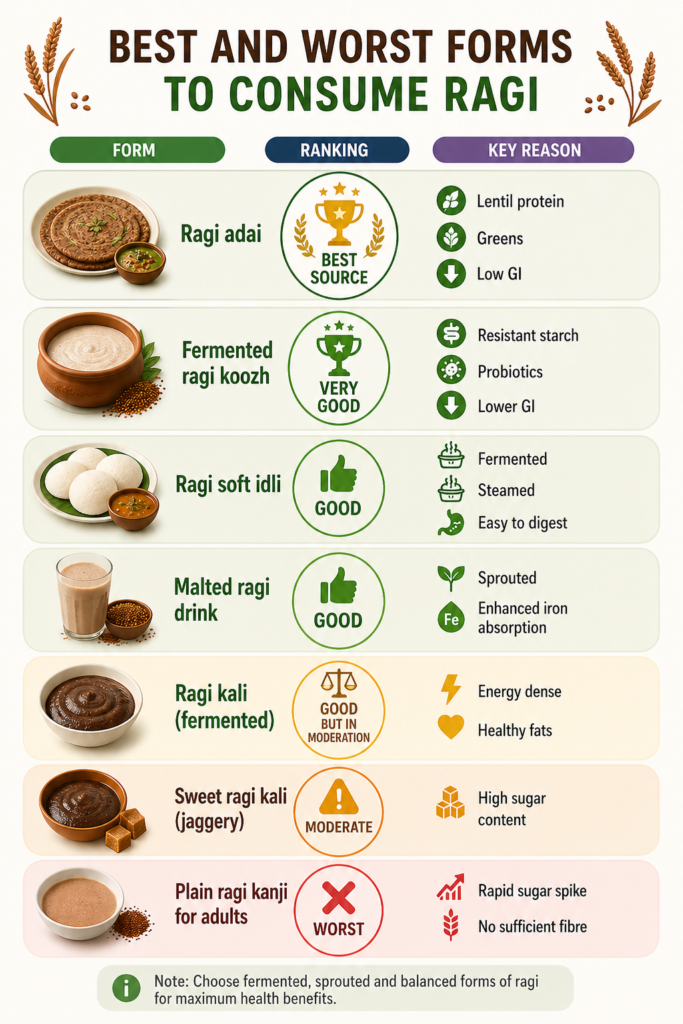
Despite its high fibre and polyphenol content, ragi consumed as
a thin porridge (kanji) may cause blood sugar spikes. In
contrast, overnight soaked and fermented ragi (kali / koozh)
develops resistant starch, making it a better option. For optimal
benefits, kali / koozh should be paired with a good amount of
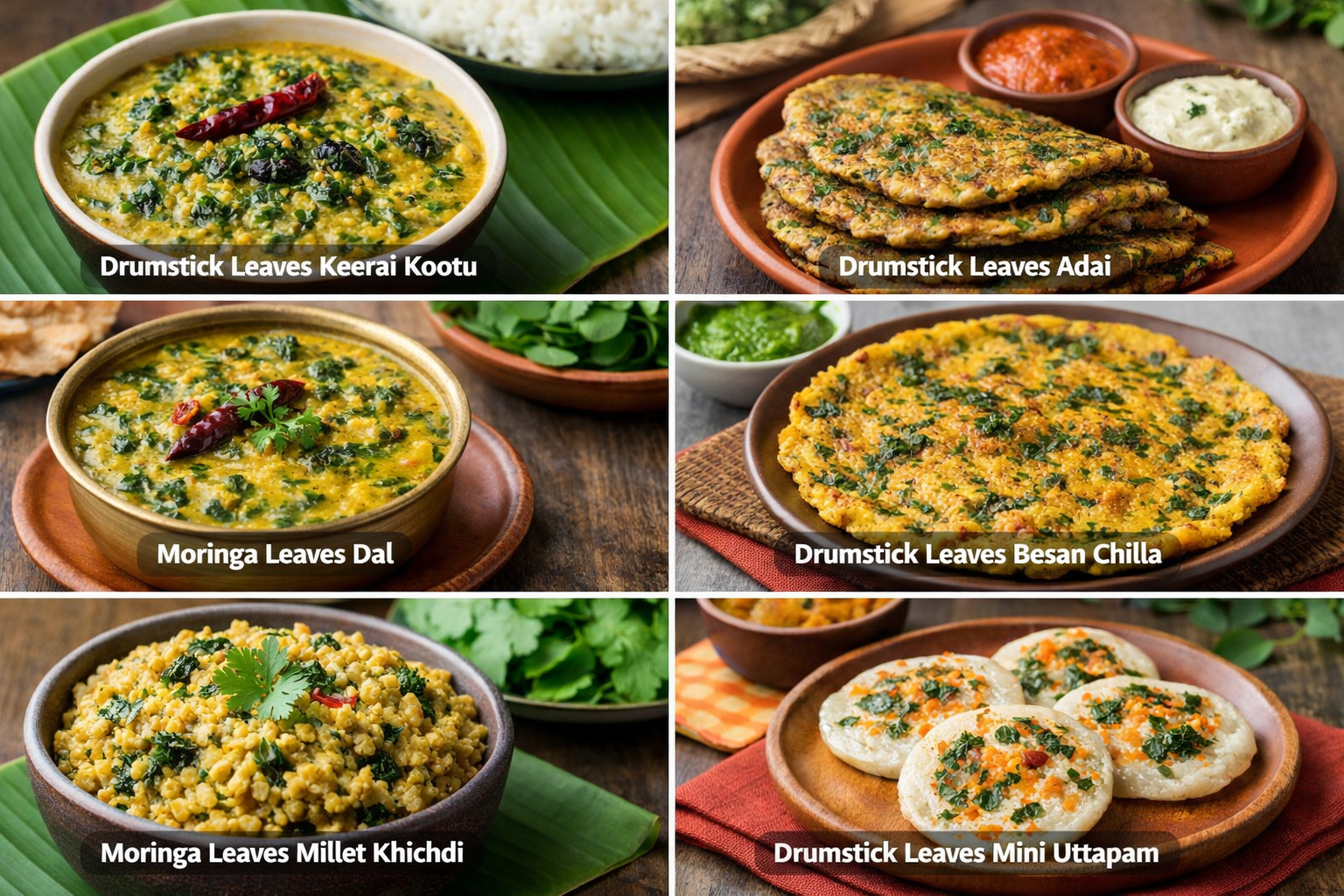
protein — such as sundal or sprouts. Adding moringa
(murungai) leaves enhances taste and nutritional value.
Natural source of iron
Ragi provides a significant amount of iron, which is beneficial
for preventing anaemia and improving haemoglobin levels. Iron
absorption is further enhanced when consumed with citrus
fruits.
Rich in antioxidants
The millet contains polyphenols, including tannins and ferulic
acid, which help reduce oxidative stress and may lower the risk
of chronic diseases such as diabetes and heart disease.
However, individuals with existing diabetes should exercise
caution regarding portion size, food combinations and cooking
methods to avoid glucose spikes.
Beneficial for diabetes management
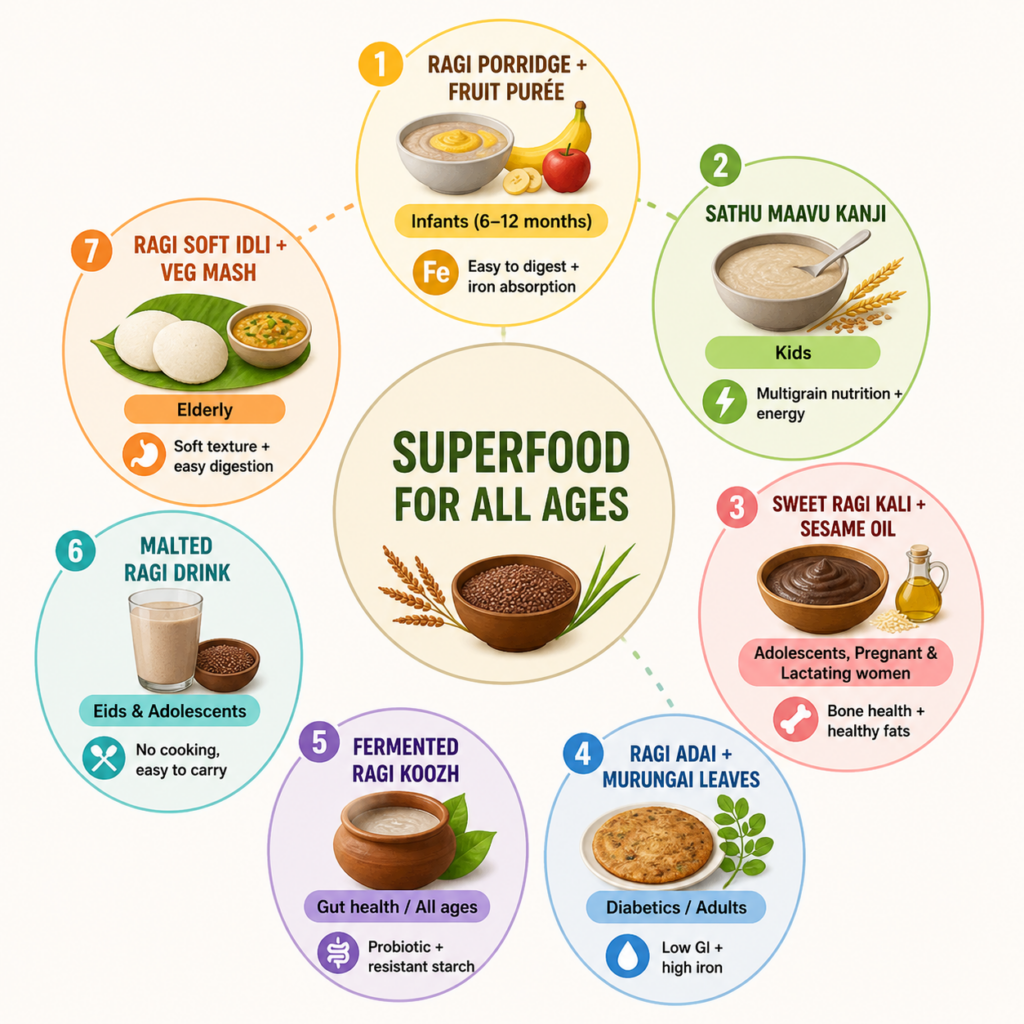
For diabetic individuals, ragi adai combined with greens,
vegetables and a protein-rich side dish is a preferable option.
This combination slows digestion and provides a low glycemic
index, thereby helping regulate blood sugar levels.
Supports heart health
The fibre, antioxidants and magnesium in ragi contribute to
lowering cholesterol, managing blood pressure and improving
overall cardiovascular health.
Good source of essential amino acids (protein)
Ragi contains methionine and other amino acids often lacking
in staple cereals like rice or wheat, making it a more complete
protein source. Adding malted ragi flour (sprouted & dried) to
idli or dosa batter and chapati flour is a practical way to
enhance protein quality.
Vitamins and minerals
Ragi provides substantial amounts of magnesium, B vitamins
(thiamine, riboflavin, niacin) and potassium. These nutrients
support nerve and muscle function, aid energy metabolism and
brain health, and help maintain fluid balance and healthy blood
pressure.
Gluten-free
Ragi is safe for individuals with irritable bowel syndrome, celiac
disease, gluten sensitivity, and other gut-related conditions.
Beneficial for infants, children and pregnant or lactating
women
Infants: Easily digestible, ragi porridge can be introduced from
six months of age. For infants aged 6–12 months, the porridge
should be prepared with water only — without milk, sugar, or
salt.
Growing children: Ragi can be incorporated into sathu maavu
kanji (multigrain porridge).
Pregnant and lactating women: All pregnant and lactating
women should include ragi in their daily diet. For those with a
sedentary lifestyle, better forms of preparation (rather than
porridge) are recommended to avoid blood sugar spikes. The
rich calcium and iron content in ragi supports foetal bone and
brain development.
Recipe of the day:
Traditional sprouted & fermented ragi adai with
murungai leaves
Ingredients
1 cup whole ragi grains
½ cup idli rice
¼ cup urad dal
¼ cup toor dal or channa dal
1 cup fresh murungai leaves (finely chopped)
1 small onion (finely chopped, optional)
1 green chili (finely chopped)
½ tsp cumin seeds
1 tsp grated ginger
Salt to taste
Water as needed
Coconut oil or sesame oil for roasting
Method
Sprout ragi (2 days)
Soak lentils & rice (overnight)
Wash and soak rice, urad dal, and toor dal separately for 4–5 hours,
Grind batter
Grind urad dal alone to smooth, fluffy batter. Set aside.
Grind sprouted ragi + soaked rice + soaked toor dal + ginger + cumin
- green chili to slightly coarse batter.
Mix both batters. Add salt. Consistency: thick and pourable.
Ferment
Keep in warm place for 8–12 hours (summer) or 12–16 hours
(winter).
Add greens
Gently fold in chopped murungai leaves and onion (if using).
Make adai & serve hot with avial.
Check website for instant adai version and a few more healthy
recipes.
– Hema a clinical nutrionist